

[LEARN] How Does the World Work?
Why does it matter?

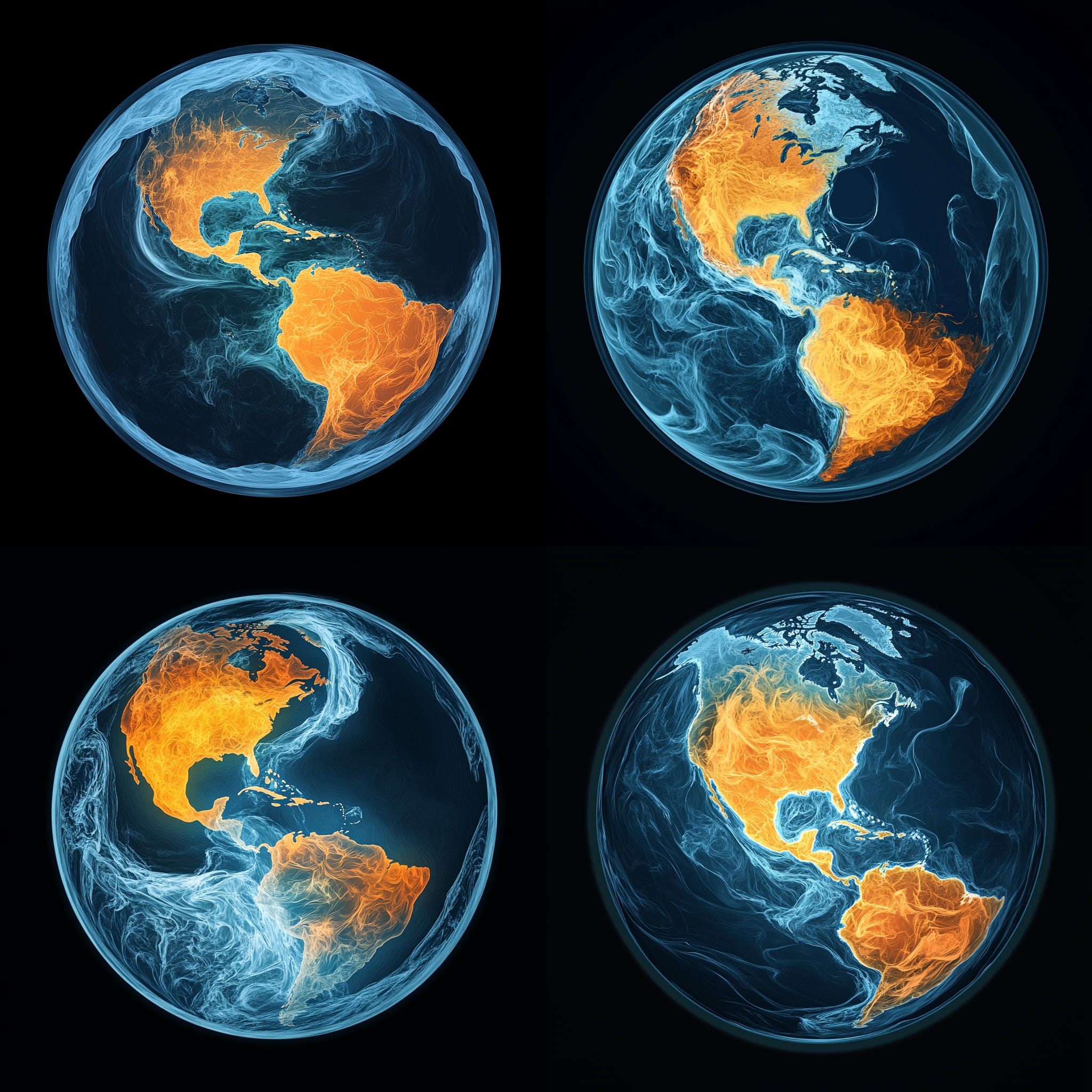
“How does the world work?” is a vast and profound question.
This question is addressed over eight modules in PART II of the soon-to-be-released course: EmployeeONE.
Me thinking: create a series of monographs on each of the eight module in the course. Let’s kick off the series with an overarching look.
To answer it meaningfully, we can break it into key systems. Here's a structured overview of how the world operates:
So, to start with, there are all the natural systems. These are the foundational forces of the physical world: Laws of physics and chemistry, biological systems, geologic, geographic and environment. All well and good, but we are not going there.
(First, a quick hello to all new subscribers!)
How does the world work? Two systems come to mind quickly. First, economic systems. Money makes the world go ‘round. Economics is all about how resources are created, distributed, and consumed. Capitalism is the dominant system globally: Markets, trade, private ownership, and competition drive innovation and inequality. Central and commercial banks create money, credit drives growth, and debt creates cycles of boom and bust. And the Golden Rule(?): Who ever has the gold makes the rules. Wealth tends to concentrate over time unless redistributed through policy or disruption.
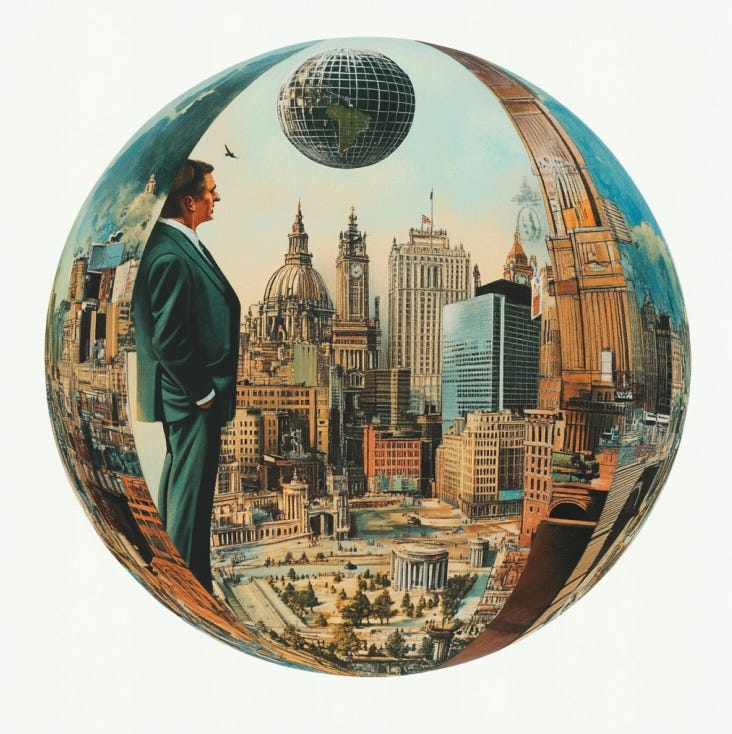
And the second is political systems. (Nation) states and governments: Organize law, security, education, taxation. Political systems vary by ideology: democracy, communism, authoritarianism, monarchy. Geopolitics: Nations compete and cooperate for power, security, and resources. Great powers shape world order (e.g., US, China) and just like tectonic plates, there is always force and friction. And, some times there is a change. In the aftermath of WWII we have the creation of international institutions: UN, IMF, World Bank attempt to manage global cooperation and crises.
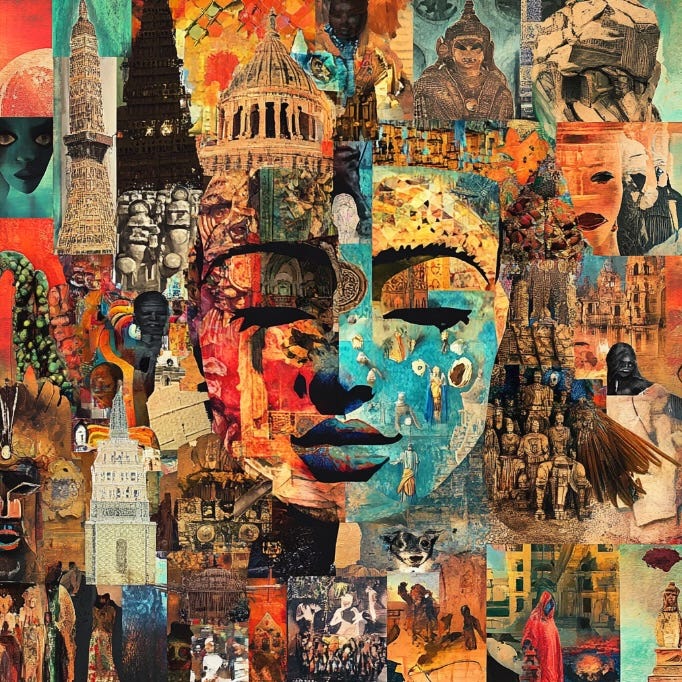
Culture plays a big role. Culture is shared beliefs, stories, values and norms that give meaning and cohesion. Religion and philosophy shape values, morality, purpose. Media and narratives control public perception, influence thought and manufacture consent (as Chomsky says). Lastly, formal education and socialization teach people how to fit into society and reinforce existing power structures.
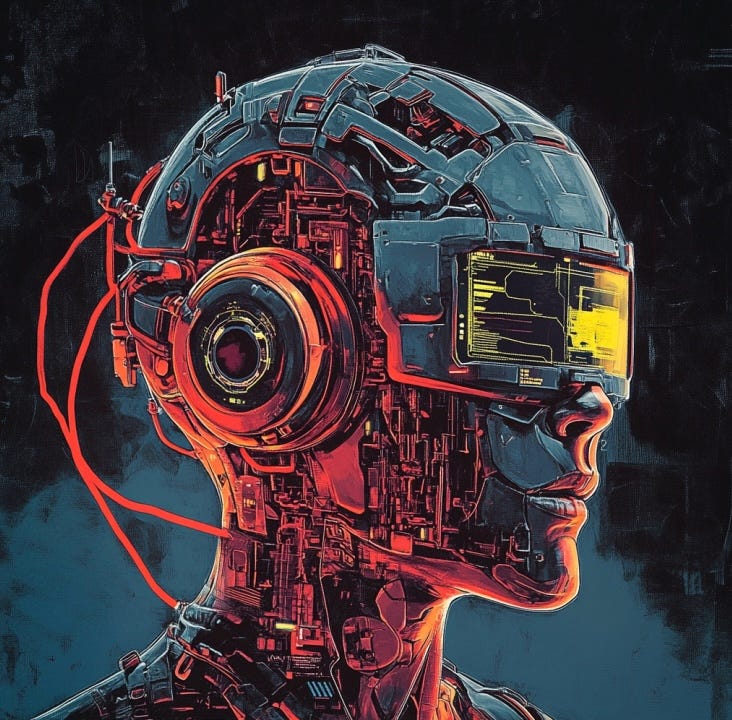
Technology is a big driver of how the world works. Tools that extend human capability. You might go right to info tech but the world runs on energy. No energy no development, no growth, no (political) power. Oil, gas, coal, hydro and nuclear powers near everything. Yes, Info tech: computers, microprocessors, Internet, AI, satellites and data create new power structures and change how we live, work, and think. Finally, weapons and surveillance: Technology influences war, peace, and control.
And then there are psychological and social dynamics: How we humans think, behave, and relate. We are social animals. We form groups—ethnic, national, ideological—and defend them fiercely. This is tribalism. This is how we identify. We are driven by status and motivation. Much of human behavior is driven by status-seeking, fear, love, and desire for meaning. We don’t always act rationally; emotions and cognitive biases shape decisions.
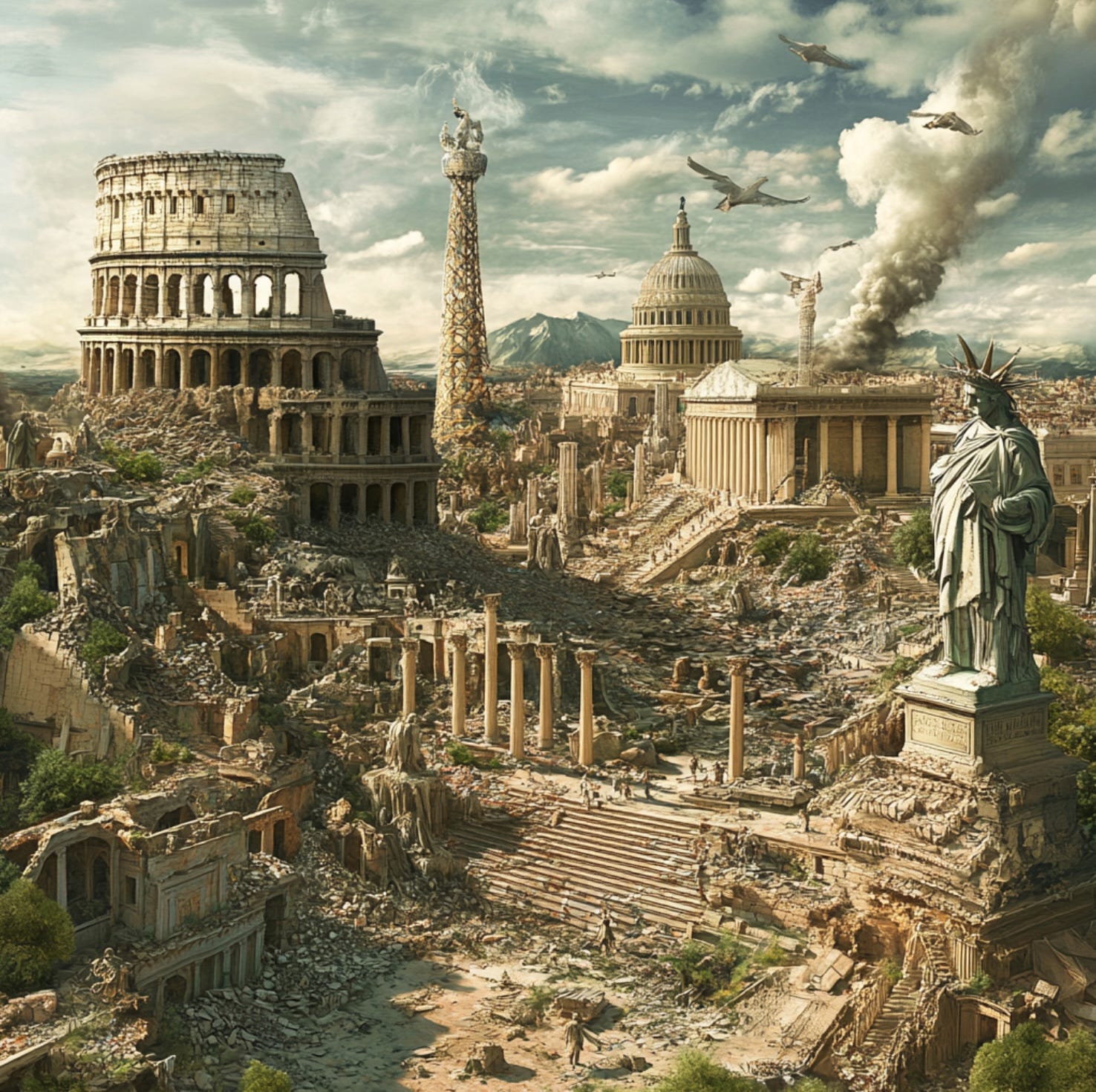
Finally, there are historical cycles. Patterns repeat: Empires rise and fall (Rome, Spain, Dutch, British, USA). They don’t last forever. And, ideas and ideologies evolve: Enlightenment, nationalism, socialism, neoliberalism. Crisis and Change: War, collapse, pandemics, and revolutions reset systems. Sh*t happens.
The world works through a complex interaction of natural laws, human systems (economic, political, cultural), and power struggles. People and institutions try to control outcomes, but much of what happens is the result of emergent behavior, unintended consequences, and the ever-shifting balance between order and chaos.
Why it matters
You are out of school. Working. Now it matters. Now you need to know. Likely you learned some of this in school. Some other you learned from family, friends, work and on your own. However, you have gaps in your knowledge and likely there are many unknowns. As former U.S. Secretary of Defense Donald Rumsfeld said:
“[A]s we know, there are known knowns; there are things we know we know. We also know there are known unknowns; that is to say we know there are some things we do not know. But there are also unknown unknowns — the ones we don’t know we don’t know.”
Perspective and knowledge of how the world works helps you to better strategize, plan, make decisions and be more effective for YOU.
It took me a long time to figure it all out. I want to help you get there faster. It matters.
In this forthcoming ONE series I will do a high-level examination, a monograph if you like, of each module of Part II of EmployeeONE. Important stuff they don’t teach you at school (or maybe they kinda did) and now you need to know. Here they are:
How Economic Cycles Work
How Money and Debt Work
How School Works
How Culture Works
How Business Works
How the Media Works
How Government Works
How Life Works (!?)
EmployeeONE: The course for everyone with a job

EmployeeONE is all the stuff you don’t learn at school but what you really need to understand and thrive in the working world. A course in three parts:
PART I - You - how you work
PART II - The World - how the (business) world works
PART III - You in the World - how you ought to work in the world
Convert your subscription to paid and get access to EmployeeONE coming in 2025.
Questions and more information? Contact us
ONE more thing:
“When you change the way you think about things, the things you think about change.”

From many, ONE
About ONE
A Buddhist monk walks up to a hotdog vendor and says make me one with everything.
In the age of TL;DR, ONE offers a brief capture of what’s necessary for YOU. Longer than a tweet, shorter than an article yet beyond a snapshot or quick video. ONE is 1-page. A quick, meaningful & thoughtful read.